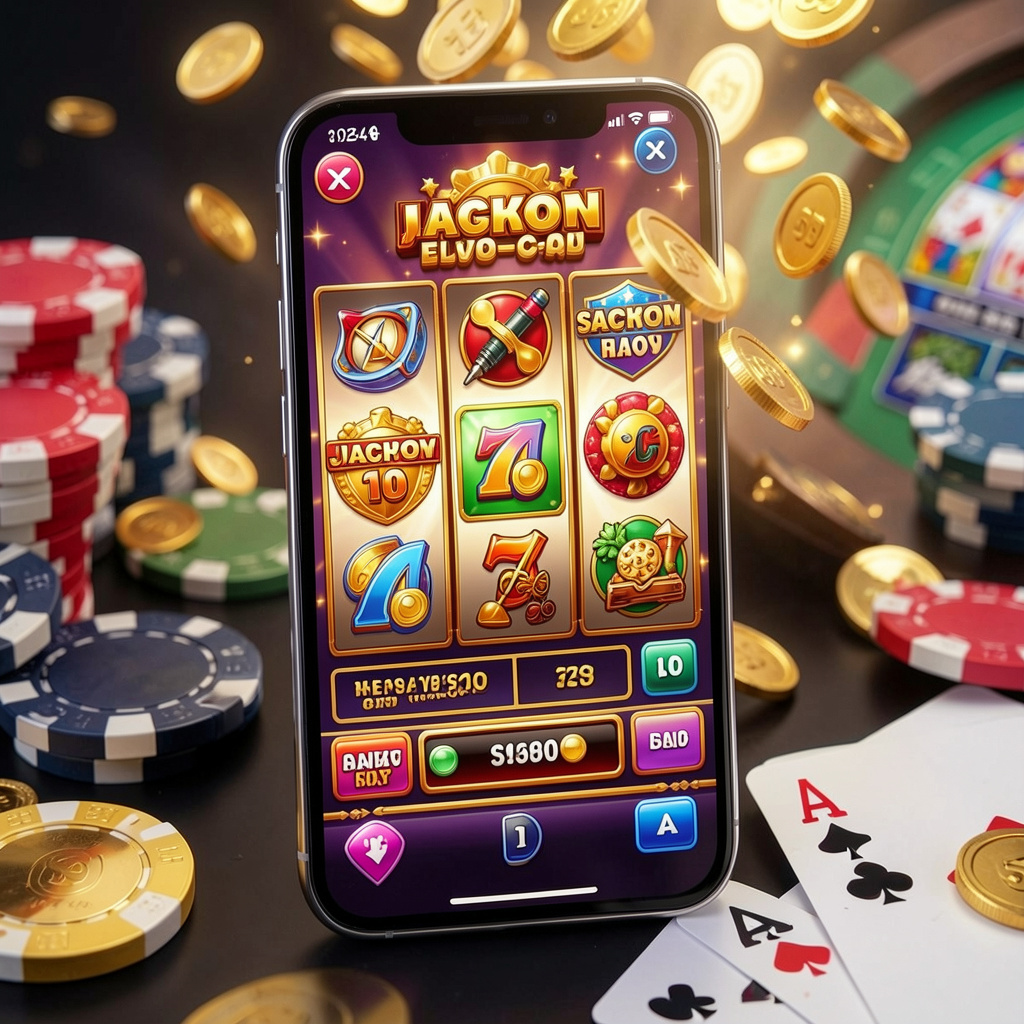
Slot Gacor games have become increasingly popular among online gaming enthusiasts because of their exciting gameplay, entertaining features, and engaging atmosphere. Many players enjoy these games because they offer dynamic experiences filled with interactive elements, visually appealing designs, and convenient access through online platforms.
However, not every gaming session feels the same. Some players often talk about what creates a truly enjoyable Slot Gacor experience and what factors make gameplay feel more exciting and satisfying. A great experience is usually influenced by several elements, including smooth platform performance, engaging features, attractive themes, convenience, and responsible gaming habits.
This article explores what makes a great Slot Gacor experience and why certain features help improve player enjoyment.
Smooth and Fast Gameplay
One of the most important factors in a great Slot Gacor experience is smooth gameplay.
Players often prefer platforms that provide:
- Fast loading speeds
- Smooth navigation
- Stable performance
- Minimal interruptions
Slow-loading games or technical problems can reduce enjoyment.
A smooth experience allows players to focus more on entertainment without unnecessary frustration.
Reliable performance strongly affects overall satisfaction.
Convenience matters.
Attractive Visual Design
Visual appeal plays a major role in player enjoyment.
Many Slot Gacor games are popular because they include:
- Bright graphics
- Smooth animations
- Creative artwork
- High-quality visual effects
Modern players often enjoy games that feel visually engaging and professionally designed.
Good graphics improve immersion and help create more entertaining sessions.
Visual experiences matter greatly.
Creative design improves excitement.
Exciting Bonus Features
Bonus features are one of the biggest reasons players enjoy Slot Gacor games.
Interactive elements often make gameplay feel more dynamic and exciting.
Popular features may include:
- Free spin rounds
- Bonus games
- Multipliers
- Special symbols
- Interactive challenges
These features create variety and help prevent gameplay from feeling repetitive.
Players often enjoy unexpected moments that add excitement to gaming sessions.
Variety improves entertainment.
Mobile-Friendly Experience
Many players now prefer mobile gaming because of convenience.
A great Slot Gacor experience often includes mobile optimization that allows users to enjoy games smoothly on smartphones and tablets.
Important mobile-friendly features include:
- Responsive controls
- Fast performance
- Easy navigation
- Smooth gameplay
Flexible access allows players to enjoy entertainment wherever they feel comfortable.
Convenience strongly influences satisfaction.
Mobile compatibility matters.
Interesting Themes
Theme variety helps improve enjoyment.
Many Slot Gacor games feature exciting themes such as:
- Adventure stories
- Fantasy worlds
- Ancient civilizations
- Nature settings
- Sports-inspired designs
Players often prefer games matching their personal interests.
Creative themes improve immersion and make sessions feel more engaging.
Variety helps reduce boredom.
Entertainment feels more personalized.
User-Friendly Interface
Simple navigation strongly affects player comfort.
A great gaming experience usually includes:
- Easy controls
- Clear layouts
- Comfortable navigation
- Organized interfaces
Players appreciate games that feel easy to understand.
Complicated systems may reduce enjoyment, especially for beginners.
Simple experiences improve confidence.
Ease of use matters.
Fast Access to Games
Convenience remains one of the most important parts of online entertainment.
Many players appreciate platforms that provide:
- Quick access
- Fast loading
- Smooth entry into games
- Easy account navigation
Players often prefer experiences that feel instant and stress-free.
Convenience improves satisfaction.
Flexible access supports long-term engagement.
Simple systems matter.
Engaging Sound Effects and Music
Audio quality also influences gaming experiences.
Many Slot Gacor games include:
- Exciting background music
- Interactive sound effects
- Immersive gameplay sounds
Good audio often improves immersion and excitement.
Players enjoy experiences that feel more realistic and engaging.
Sound creates stronger emotional connections.
Entertainment feels more complete.
Reliable Platform Performance
A great Slot Gacor experience often depends on platform quality.
Reliable websites usually provide:
- Stable systems
- Minimal technical issues
- Smooth gameplay
- Secure environments
Technical interruptions may reduce player satisfaction.
Reliable platforms improve comfort and confidence.
Trust matters.
Performance strongly affects enjoyment.
Variety of Game Options
Many players enjoy exploring different Slot Gacor styles.
A good platform often includes:
- Multiple game themes
- Different visual experiences
- New releases
- Various gameplay styles
Variety helps players discover games matching personal preferences.
Trying new experiences keeps entertainment fresh.
Choice improves satisfaction.
Exploration matters.
Personalized Recommendations
Modern platforms increasingly provide personalized experiences.
Helpful features may include:
- Recommended games
- Suggested themes
- Customized content
Players appreciate experiences that match their interests.
Personalization improves convenience.
Relevant experiences often feel more enjoyable.
Comfort matters.
Fast and Stable Mobile Performance
Because mobile gaming continues growing, strong mobile performance has become essential.
Players expect:
- Smooth controls
- Stable systems
- Fast responses
- Easy navigation
Poor mobile performance may reduce enjoyment.
Fast and responsive gameplay improves satisfaction.
Mobile convenience strongly affects engagement.
Accessibility matters.
Interactive Gameplay Features
Many players enjoy gameplay that feels interactive.
Modern Slot Gacor games often include:
- Bonus interactions
- Mini-games
- Special events
- Dynamic gameplay mechanics
Interactive experiences often feel more exciting than repetitive gameplay.
Players appreciate games that feel fresh and engaging.
Entertainment improves through variety.
Creativity matters.
Comfortable and Relaxing Environment
The overall gaming environment also influences enjoyment.
Many players enjoy better experiences when they:
- Feel relaxed
- Avoid distractions
- Play comfortably
Comfort improves focus.
A relaxed mindset often creates more enjoyable sessions.
Positive environments matter.
Balance improves satisfaction.
Responsible Gaming Habits
Responsible habits strongly contribute to positive experiences.
Players often enjoy gaming more when they:
- Set spending limits
- Manage time wisely
- Stay balanced
- Focus on entertainment
Healthy habits help reduce pressure.
Responsible participation improves comfort and long-term enjoyment.
Balance matters greatly.
Gaming should remain enjoyable.
Regular Updates and Fresh Content
Players often enjoy platforms that continue improving.
Regular updates may include:
- New themes
- Better features
- Improved visuals
- Fresh gameplay experiences
Updated content helps maintain excitement.
Innovation improves long-term engagement.
Fresh experiences reduce boredom.
Variety matters.
Community Influence and Recommendations
Many players discover Slot Gacor games through online communities.
People often enjoy:
- Shared experiences
- Recommendations
- Discussions about favorite games
Community interaction may improve entertainment.
Shared excitement often increases curiosity and engagement.
Social influence matters.
Recommendations improve discovery.
Easy Accessibility
Easy access strongly influences player satisfaction.
Many users enjoy gaming because they can participate through:
- Smartphones
- Tablets
- Desktop devices
Flexible access improves convenience.
Modern lifestyles value entertainment that fits busy schedules.
Accessibility supports enjoyment.
Convenience matters.
Final Thoughts
A great bandar toto experience comes from a combination of smooth performance, engaging features, attractive visuals, convenience, and responsible habits. Players often enjoy games more when platforms provide mobile compatibility, fast access, exciting bonus features, and visually appealing themes.
Entertainment feels better when gameplay remains smooth, interactive, and easy to enjoy. Personal preferences, comfort, and balanced habits also strongly influence satisfaction.